Sea Turtle Floral Art: A Designer's Honest Review
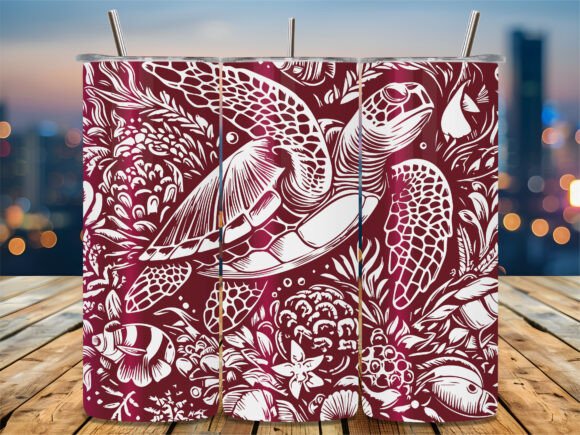
When I first opened the file for Sea Turtle Floral Art, my initial reaction wasn't about stitch counts or file formats. It was about the mood. There is a specific kind of calm that comes from combining marine life with botanical elements, and this design captures that perfectly. As someone who has spent years reviewing embroidery files for everything from boutique branding to personal gifts, I look for designs that feel intentional rather than generic. This piece strikes a balance between organic flow and structured composition that makes it stand out in a crowded market.
The visual personality of Sea Turtle Floral Art suggests a project meant to be cherished. The layout feels fluid, which is crucial when translating digital graphics into physical thread. It doesn't scream for attention; instead, it invites the viewer to lean in and appreciate the details. For designers looking to create handmade products that convey warmth and nature-inspired aesthetics, this design offers a strong foundation. It fits naturally into categories like crafts and graphics where visual storytelling is key, but its true value lies in how it translates to the fabric.
Bringing the Design to Life on Fabric
Let me walk you through a real scenario I recently considered for this piece. Imagine a small business owner preparing a collection of custom tote bags for a summer craft fair. They want something that appeals to beach lovers but also holds up as a daily carry-all. The Sea Turtle Floral Art design immediately popped into my mind for this application. The flowing lines of the floral elements would wrap beautifully around the curve of a tote bag handle, while the central turtle motif provides a focal point without overwhelming the canvas.
However, moving from a screen mockup to a stitched reality requires careful consideration. If we were to use this for a sweatshirt embroidery project, perhaps for a cozy nursery blanket or a baby onesie, the density of the stitches becomes a major factor. The design relies on smooth transitions between shapes. In a machine embroidery design, if the stitch density is too high, the fabric can pucker, especially on thin materials like cotton muslin or jersey. Conversely, if the density is too low, the intricate floral details might get lost in the weave of the fabric.
I also envision this design being used for personalized gifts. Picture a set of embroidered kitchen towels featuring this art. The contrast between the dark green of the leaves and the soft blues of the turtle could create a stunning visual against a white or cream towel. But here is the catch: the success of this finished product depends entirely on the thread colors chosen. A designer must test these combinations before committing to a full production run. Using a standard black thread for the outline might make the design look heavy, whereas a navy or forest green could soften the edges and integrate the image more seamlessly into the textile.
Navigating Technical Challenges
While the aesthetic appeal is undeniable, there are practical limitations to keep in mind. Not every surface is suitable for this level of detail. If you plan to use Sea Turtle Floral Art on a curved surface like a baseball cap, you need to be extremely cautious. The curvature can distort the proportions of the floral elements, making the turtle appear stretched or squashed. For embroidered patches or flat items like pillow covers, the design shines. But for custom apparel with complex seams or stretchy fabrics, the risk of distortion increases significantly.
Another critical area is the texture of the fabric. Textured materials, such as bouclé or heavy denim, can hide fine details. If your design includes tiny running stitches or delicate satin work, those nuances might disappear into the fabric's nap. I advise checking the stitch density carefully. High-density areas can create stiff spots on the garment, which might be uncomfortable for a baby item or a casual t-shirt. The goal is a professional finish that feels integrated into the clothing, not just applied on top of it.
Furthermore, consider the washing instructions for the final product. If the design is intended for a kitchen towel or a frequently washed apron, the durability of the stitches matters. Dense fill stitches generally hold up well, but sharp corners or long floating threads can snag. Always inspect the digital embroidery file for any loose ends or overly long jump stitches that could compromise the longevity of the handmade product.
Strategic Use Cases for Small Business Owners
For Etsy sellers and small shop owners, the ability to offer unique design assets is what drives sales. Sea Turtle Floral Art offers a niche that is both popular and visually distinct. It works exceptionally well for holiday embroidery projects, particularly for summer-themed events or beach weddings. Imagine a bridal party gift set featuring this design on linen napkins or silk scarves. The combination of nature and elegance creates a sense of occasion that buyers are willing to pay a premium for.
When creating printable mockups to showcase this design, ensure that the lighting highlights the texture of the thread. A flat image might not do justice to the depth created by different stitch types, such as satin stitch for outlines and fill stitch for the main body. Buyers want to see the quality of the workmanship. If the design looks crisp and clean in your marketing materials, it builds trust and encourages engagement.
However, there are scenarios where caution is warranted. If you are working with dark fabric, the underlay and thread coverage must be substantial to prevent the background color from showing through. Similarly, for commercial embroidery projects involving large batches, consistency is paramount. Variations in tension or stabilizer choice can lead to inconsistent results across a single order. Always test the design on scrap fabric that matches the final material exactly.
Essential Designer Notes Before You Start
Before you begin stitching, there are several steps every professional should take to ensure success. First, always test the design on a scrap piece of fabric. This simple step reveals potential issues with puckering, thread breaks, or alignment problems before you ruin a customer's item. Second, review the thread colors available in your machine. Sometimes a color that looks perfect on screen fails to render well in thread due to sheen or texture differences.
Check the hoop size required for the design. If the design is larger than your machine's hoop, you may need to reposition it, which can result in visible seam lines or misalignment. Confirm whether the file is optimized for your specific machine type. While many modern machines handle various formats, older models might struggle with complex paths. Also, inspect the small details closely. Tiny elements can sometimes become blurry or merge together if the resolution isn't high enough.
Finally, verify the licensing terms. Are you allowed to sell finished products made with this embroidery file? Some licenses restrict commercial use, while others allow it only with attribution. Understanding these rules protects your craft business from legal issues. Whether you are creating a digital product preview or a physical embroidery project, clarity on usage rights is non-negotiable.
In conclusion, Sea Turtle Floral Art is a versatile and visually appealing design that can elevate a wide range of projects. From baby embroidery to boutique branding, it offers a unique blend of nature and style. By paying attention to fabric choices, stitch density, and proper testing, you can ensure that your final product meets the high standards expected by today's discerning customers. With thoughtful execution, this design has the potential to become a staple in your portfolio of embroidery projects.