Rose Dreamcatcher Floral: A Designer's Honest Review
As someone who has spent years reviewing machine embroidery design files and testing them on everything from delicate baby clothes to heavy-duty work aprons, I know that the difference between a good project and a great one often comes down to the specific design chosen. Today, I am looking at a file titled Rose Dreamcatcher Floral. At first glance, the title suggests a blend of bohemian charm and intricate floral artistry, but as an experienced reviewer, I need to look past the name and see how this design actually performs in a real-world production environment.
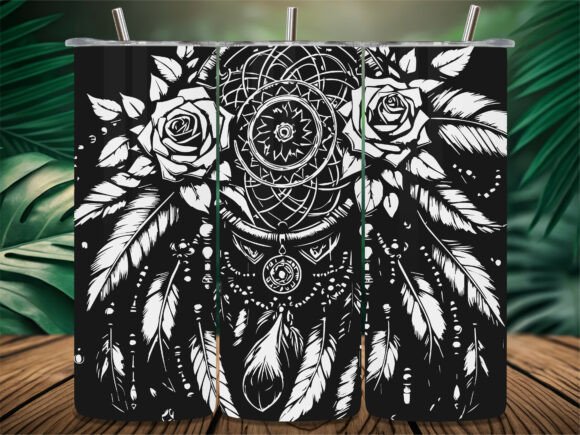
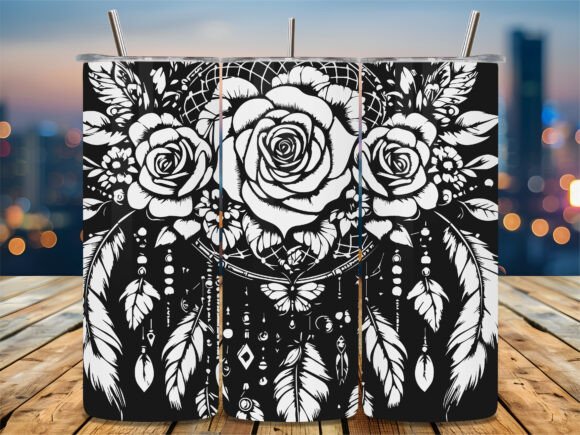
The product description mentions creating stunning engraved tumblers with a Laser Wrap Design. While this specific detail points toward laser engraving applications, for those of us in the world of embroidery, the core question remains: does the visual layout translate well to thread? Does the aesthetic hold up when stitched onto fabric? In my review, I will evaluate Rose Dreamcatcher Floral based on its potential for various embroidery projects, keeping in mind that many digital assets are versatile enough to be adapted or reimagined for different crafting needs.
First Impressions: Mood and Visual Personality
When I first opened the preview of Rose Dreamcatcher Floral, the immediate feeling was one of soft elegance mixed with a touch of whimsy. The concept of a dreamcatcher intertwined with roses is a classic combination, but the execution determines whether it feels cliché or contemporary. From a design perspective, the layout appears balanced, offering a central focal point that draws the eye without overwhelming the surrounding space.
This kind of visual personality is perfect for creators who want to add a personal touch to their handmade products. It evokes a sense of warmth and care, which is exactly what customers look for when buying gifts or boutique items. Whether you are designing for a nursery, a bridal shop, or a cozy home decor line, the mood of this design fits naturally into spaces that value comfort and beauty. It is not a harsh or aggressive graphic; instead, it invites the viewer to slow down and appreciate the details, much like the act of stitching itself.
Real-World Application: Where This Design Shines
To truly understand the utility of Rose Dreamcatcher Floral, we have to imagine it in action. Let's say I am preparing a custom order for a local boutique owner who specializes in handmade gifts. She wants to create a line of embroidered tote bags for the upcoming holiday season. The design needs to be prominent enough to catch attention on a crowded craft fair table but subtle enough to remain classy.
In this scenario, Rose Dreamcatcher Floral would likely excel. The floral elements provide excellent texture opportunities, allowing for the use of different thread colors to create depth. If applied to a canvas tote bag, the design could serve as the primary branding element for a small business. Similarly, imagine this design stitched onto a sweatshirt or a high-quality hoodie. The romantic nature of the rose combined with the spiritual symbolism of the dreamcatcher makes it an ideal choice for personalized gifts, perhaps for a graduation, a wedding, or a special birthday celebration.
I also see strong potential in the realm of home decor. Pillow covers, kitchen towels, and even wall hangings could benefit from the intricate details of this file. For an Etsy seller, having a design that works across multiple product categories—like tote bag design options alongside sweatshirt embroidery—is a massive advantage. It allows the creator to build a cohesive brand identity where every item tells the same story. The design acts as a visual anchor, ensuring that whether a customer buys a cap or a tea towel, they recognize the quality and style associated with your shop.
Navigating Technical Challenges and Limitations
However, no design is without its challenges, and as a professional, I must be realistic about where Rose Dreamcatcher Floral might struggle. One of the most critical factors in embroidery is the hoop size relative to the design density. If this file contains highly detailed corners or tiny lettering, attempting to stitch it in a small hoop could result in a loss of definition. The threads might crowd each other, leading to a muddy appearance rather than a crisp image.
Fabric choice is another area requiring careful consideration. Textured fabrics, such as thick fleece or heavily woven linen, can sometimes obscure fine details. If the design relies on thin lines to define the petals of the rose or the feathers of the dreamcatcher, a rough fabric texture might interfere with the stitch density. Furthermore, stretchy fabrics like jersey require a stabilizer that provides enough support to prevent puckering. Without the right stabilizer, the tension of the fill stitch could distort the shape of the design, making the finished product look unprofessional.
Dense stitch areas are particularly tricky. If the center of the dreamcatcher is packed with too many stitches, the fabric may become stiff and difficult to wear or handle. This is a common issue with designs that attempt to pack too much detail into a small space. Additionally, if you plan to use this for commercial embroidery on dark fabrics, you must ensure there is sufficient underlay and contrast in the thread colors. Light-colored roses on a black background might get lost if the satin stitch isn't laid down correctly.
Design Notes for the Practical Maker
Before you commit to using Rose Dreamcatcher Floral in a client project or a mass-produced line of goods, there are several practical steps you should take. First and foremost, always test the design on scrap fabric. This simple step can save you hours of frustration and wasted materials. Check how the thread colors interact with your specific fabric choices. A color that looks vibrant on a screen might appear dull once stitched, especially if the thread sheen doesn't match the fabric texture.
Review the stitch density carefully. Look for areas where the design might be too dense, causing the needle to break or the fabric to pucker. If the file includes running stitch elements, verify that the spacing is consistent and that the lines are long enough to avoid bunching. Inspect small details closely; if the design includes tiny text or intricate patterns, consider whether they will be legible after washing and wearing.
It is also wise to test the design in black and white mockups before committing to a full-color run. This helps you visualize the contrast and balance of the shapes without the distraction of color. Compare how the design looks against both light and dark backgrounds to ensure versatility. Don't forget to check the licensing terms. If you intend to sell finished items featuring this design, confirm that your license allows for commercial use. Many digital graphics come with restrictions that limit how you can monetize the final product.
Final Thoughts on Value and Appeal
Ultimately, Rose Dreamcatcher Floral represents a design asset that, when used correctly, can significantly elevate the perceived value of a handmade product. Customers today are increasingly discerning; they want items that feel authentic and professionally crafted. A well-executed embroidery design builds trust and encourages repeat business. When a buyer sees a clean, precise stitch job on a personalized gift, they are more likely to recommend your shop to friends and family.
The key to success lies in preparation and understanding the limitations of the medium. By taking the time to test, adjust, and refine your approach, you can transform a digital file into a tangible piece of art that brings joy to the recipient. Whether you are a hobbyist looking to make a unique gift for a loved one or a seasoned entrepreneur expanding your craft business, paying attention to the details of your design choices is what separates the amateurs from the professionals. With careful planning, Rose Dreamcatcher Floral has the potential to become a staple in your collection of design assets.