Floral Love Letter: A Designer's Take on Stitching Romance
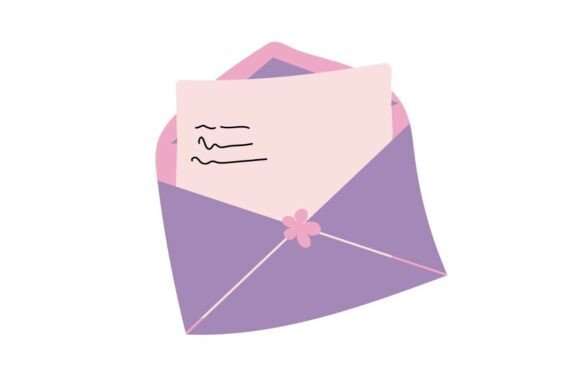
As someone who has spent years evaluating machine embroidery design files for both personal hobbies and commercial ventures, I approach every new download with a mix of excitement and skepticism. You want the product to look as good in your hoop as it does on your screen. Today, I am looking at Floral Love Letter, a piece categorized under Crafts and Graphics that promises a sweet illustration of an open purple envelope containing a pink letter, sealed with a flower. It sounds simple, but simplicity in embroidery is often where the magic—and the mistakes—happen.
The First Impression: Mood and Visual Personality
When you first load up Floral Love Letter, the immediate feeling is one of warmth and intimacy. The color palette described—purple and pink—suggests a soft, romantic aesthetic that feels perfect for Valentine's Day, anniversaries, or baby showers. Unlike generic floral patterns that can feel cluttered, this design focuses on a specific narrative: sending a message. The visual personality is gentle yet distinct. It isn't just a flower; it is a story waiting to be stitched.
For a designer, the layout is crucial. An open envelope implies depth, which can be tricky in 2D stitching. If the file handles the layering well, it will create a lovely sense of dimension. The seal with the flower acts as a natural focal point, drawing the eye right to the center. This kind of composition works exceptionally well for embroidery projects where you want the viewer to pause and appreciate the detail. It feels like a handmade product that was crafted with intention rather than mass-produced.
Real-World Application: From Screen to Fabric
I recently considered using Floral Love Letter for a custom order involving personalized tote bags for a local boutique. The client wanted something elegant for their wedding gift shop. My initial thought was that the design would translate beautifully onto canvas or heavy cotton blends. The purple envelope could pop against a neutral background, while the pink letter would add a necessary touch of softness.
However, real-world testing requires more than just imagination. When I think about applying this to a sweatshirt embroidery project, the scale becomes important. On a large chest area, the envelope might look too small unless scaled up significantly. Conversely, if placed on a baby onesie, the delicate details of the flower seal need to be clear enough to hold up after washing. This is where the quality of the embroidery file matters most. If the stitches are too dense, the fabric might pucker around the envelope flap. If they are too sparse, the definition of the letter inside might get lost.
I also envision this design thriving on kitchen towels or pillow covers. The theme fits perfectly into home decor, adding a touch of romance to a functional item. For an Etsy seller or small shop product owner, this design offers high versatility. You could create a series of matching items—a set of aprons, a collection of caps, or even a line of embroidered patches. The "love note" concept resonates with customers looking for personalized gifts that feel thoughtful and unique.
Where to Exercise Caution
Not every surface is suitable for every design. While Floral Love Letter is charming, there are specific scenarios where you must tread carefully. First, consider the hoop size. If the design includes tiny text or very fine lines within the envelope, shrinking it down to fit a small hat brim or a narrow cap panel could result in muddy details. The flower seal might lose its shape if compressed too much.
Texture is another factor. Embroidering on textured fabrics like bouclé or thick corduroy can obscure the fine lines of the envelope flap. Similarly, stretchy fabrics require extra attention. Without proper stabilizer support, the tension from the satin stitches might cause the fabric to warp, distorting the straight edges of the envelope. Dark fabrics present a challenge too; if the thread colors chosen do not have enough contrast against the purple or pink, the design could disappear into the background. Always test thread colors on scrap fabric before committing to the final piece.
Furthermore, avoid using this design on products that undergo frequent, harsh washing unless you are confident in the stitch density. Items like tote bag design projects that see heavy daily use need robust stitching to prevent fraying at the corners of the envelope. If the design relies heavily on running stitch for the paper texture, it may wear faster than a solid fill stitch.
Impact on Brand and Customer Trust
In the world of commercial embroidery and craft business, the finish of your work speaks volumes about your professionalism. A clean execution of Floral Love Letter can elevate a simple tote bag into a premium gift. Customers notice when the edges are crisp and the colors are vibrant. If the design looks sloppy or puckered, it undermines the value of the entire product.
This design has the potential to boost buyer engagement because it tells a story. People love the idea of receiving a "love letter." It adds emotional value to the physical item. For a digital product seller creating mockups, this image is gold. It allows you to showcase how a digital asset translates into a tangible reality. However, if the stitch density is off, the finished product might look cheap, hurting your reputation. Consistency is key to building trust with your audience.
Practical Notes for the Designer
Before you hit the start button on your machine, here is my advice based on experience. First, always test the design on scrap fabric. This is non-negotiable. Check the stitch density in the fill areas of the envelope and ensure the satin stitch holds up without gaps. Review the small details, especially the flower seal, to make sure they don't merge together.
If you are planning to sell finished items, confirm the licensing terms immediately. Does the purchase allow for commercial embroidery? Many designers assume yes, but some restrict resale. Also, inspect whether the design works for both personal and commercial projects. Test it in black and white mockups to check the contrast levels; sometimes a design looks great in color but lacks definition in grayscale.
Ensure you are using the correct stabilizer for your fabric type. For a baby embroidery project, you might need a cut-away stabilizer for durability, whereas a woven shirt might handle tear-away better. Compare light and dark fabric backgrounds to see how the thread choices perform. Finally, remember that this is a digital embroidery file meant to bring creativity to life, so take the time to tweak the settings until it looks perfect.
Floral Love Letter is a delightful addition to any library of design assets. It captures a mood that is universally appealing, making it a strong candidate for weddings, holidays, and everyday gifts. By approaching it with the right preparation and technical care, you can turn this sweet illustration into a standout piece that your customers will cherish. Whether you are a hobbyist making a birthday present or a creative entrepreneur expanding your design assets, this design offers a wonderful opportunity to blend artistry with craftsmanship.