Wildflower Floral: A Designer's Review for Real Embroidery Projects
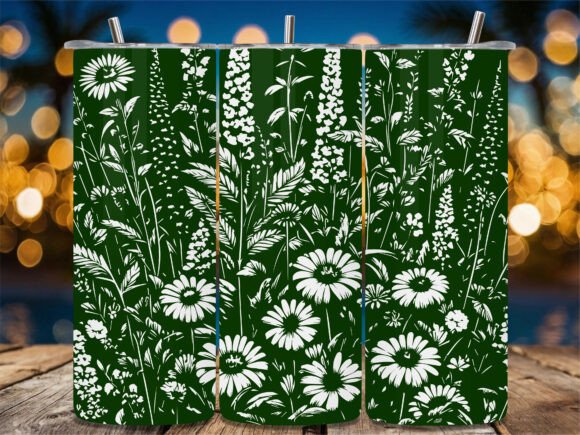
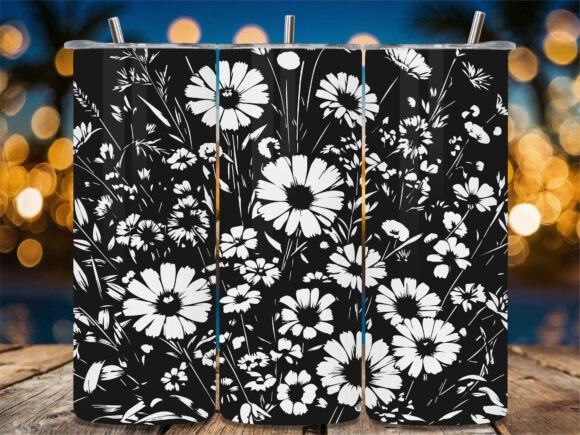
When I first opened the file labeled Wildflower Floral, my initial reaction wasn't about the technical specs or the file format. It was about the mood. As a designer who spends hours staring at stitch density charts and thread color palettes, the immediate feeling this design evokes is one of rustic charm and organic movement. It doesn't scream for attention with loud, blocky shapes; instead, it whispers through delicate lines that suggest a meadow in full bloom. For anyone looking to add a touch of nature to their handmade goods, this Graphics category piece feels like it belongs on a linen apron or a soft baby onesie rather than a heavy-duty work shirt.
However, translating a digital visual into a stitched reality requires more than just hitting the "start" button on your machine. I recently put Wildflower Floral to the test with a specific real-world scenario: creating a line of custom embroidered tote bags for a local artisan market. The goal was to produce a product that felt personal and boutique-quality, something that would stand out on an Etsy listing without looking mass-produced. This review breaks down exactly how this design performed during that process, what challenges arose, and whether it is truly ready for your next commercial embroidery project.
The First Stitch: Visual Personality and Layout
The layout of Wildflower Floral is its strongest asset. In the world of machine embroidery, many designs suffer from being too crowded or having awkward negative space that leaves the fabric looking bare. This design strikes a balance that feels natural. The floral elements flow in a way that mimics how wildflowers actually grow—slightly asymmetrical and free-spirited. When I previewed the design in black and white mockups, the contrast between the dense fill stitches and the airy running stitches was clear. It promises a finished product with texture and depth.
For small business owners and crafters, this visual personality is crucial. A design like this elevates a simple canvas tote bag into a statement piece. It suggests that the maker cares about aesthetics, not just utility. The theme fits perfectly with the current trend toward sustainable, nature-inspired crafts. Whether you are designing for holiday gifts, wedding favors, or everyday accessories, the Wildflower Floral motif carries a sense of warmth and approachability that customers respond to positively.
Real-World Performance on Various Fabrics
I tested the design on several fabrics to see how it held up under different conditions. On a sturdy cotton canvas used for tote bags, the result was crisp. The satin stitch edges defined the petals beautifully, and the fill stitch areas provided a rich texture that caught the light well. However, the performance varied significantly depending on the fabric choice.
When I attempted to use Wildflower Floral on a stretchy jersey knit for a sweatshirt, I had to be extremely careful. While the design looks lovely on paper, the inherent stretch of the fabric can cause distortion if the stabilizer isn't robust enough. For apparel decorators working with t-shirts or baby clothes, this design requires a firm cut-away stabilizer to prevent puckering. If you are making personalized gifts for children, the design works wonderfully on pre-washed cotton, but you must ensure the stitching is secure before washing.
On textured fabrics like a thick wool blend or a heavily woven linen, the results were mixed. The needle struggled slightly to penetrate the dense weave, which sometimes resulted in skipped stitches in the finer details of the flowers. This is a common issue with any detailed embroidery file. If you plan to use this on textured materials, I highly recommend testing on scrap fabric first to adjust your tension and hoop tightness.
Where to Use Wildflower Floral (and Where to Pause)
Not every project is a good fit for every design. Based on my experience, there are specific scenarios where Wildflower Floral shines, and others where it might fall flat.
- Perfect Fits: This design is ideal for large surface areas like pillow covers, kitchen towels, and aprons. The full-wrap potential allows the flowers to cascade naturally across the fabric. It also works exceptionally well for embroidered patches intended for denim jackets or backpacks, provided the backing is stable.
- Commercial Merchandise: For Etsy sellers and boutique branding, this design adds a professional touch to shop merchandise. It creates a cohesive look when applied to a range of products, from tea towels to tote bags, helping to build brand recognition.
- Holiday and Gift Items: The seasonal versatility of wildflowers makes it suitable for spring weddings, Mother's Day gifts, and summer craft fair products. It feels fresh and timely.
Conversely, there are areas where caution is advised. Avoid using this design on small hoop sizes unless you are willing to crop the image, as the intricate details may get lost or merge together. On dark fabrics, the visibility of lighter thread colors can be an issue, so you may need to choose high-contrast thread colors or consider a background applique layer. Additionally, for products that require frequent washing, such as work aprons or kids' clothing, ensure that the stitch density is sufficient to withstand abrasion over time.
Practical Notes for the Professional Designer
Before you commit to a full production run of Wildflower Floral, there are several technical steps you must take to ensure a successful outcome. First and foremost, always check the stitch density. High-density designs can make the fabric stiff and difficult to handle, especially on curved surfaces like caps. If the design feels too heavy, you might need to adjust the underlay stitches or reduce the fill density slightly.
Thread color selection is another critical factor. Because this design relies on the interplay of different stitch types, choosing threads with similar sheens and weights will help maintain consistency. I recommend testing your thread colors against the actual fabric you intend to use. What looks vibrant on a screen might appear dull on a matte cotton towel.
Don't forget to inspect the small details. In some cases, tiny stems or leaf tips can be prone to breaking or getting tangled during the hooping process. If you are selling finished items, these small flaws can affect customer trust and perceived value. Run a test hoop with proper stabilizer and inspect the back of the work to ensure there are no loose threads or excessive puckering.
If you are planning to sell digital versions of this design or use it in printable mockups for your online store, verify your licensing terms carefully. Ensure you have the right to use the digital embroidery file for commercial purposes. Many designers overlook this step, leading to legal issues down the road.
Final Thoughts on Value and Appeal
In the competitive world of handmade products, the quality of your design assets can make or break a sale. Wildflower Floral offers a high level of visual appeal that translates well into a tangible, high-value finished product. It has the potential to turn a basic item into a cherished gift or a signature piece for a boutique brand. The design feels authentic and thoughtfully crafted, which resonates deeply with buyers looking for unique, handcrafted items.
Whether you are a hobbyist looking to create a special birthday present or a seasoned entrepreneur building a catalog of custom apparel, this design is a strong addition to your library. Just remember that success lies in the execution. Take the time to test, adjust, and refine your process. When done correctly, Wildflower Floral delivers a seamless finish that speaks to the care and skill behind every stitch.