Review: Photographer, Camera, Floral Camera, Pho
I have spent years reviewing embroidery files for everything from boutique branding to personalized baby gifts. Most digital products are just pixels on a screen until they hit the hoop, but Photographer, Camera, Floral Camera, Pho feels like it was designed with real-world stitching in mind. When I first opened this file, my immediate thought wasn't about the marketing copy; it was about how the floral elements would interact with the camera silhouette during the actual embroidery process.
This listing falls under the Crafts and Graphics categories, which usually implies a wide range of potential uses. However, as a designer, I need to know if this design is a one-hit wonder or a versatile asset for a serious craft business. After running some mental simulations and checking the layout against standard machine embroidery constraints, here is my honest take on using this design for client projects, handmade products, and commercial assets.
The First Impression: Mood and Visual Personality
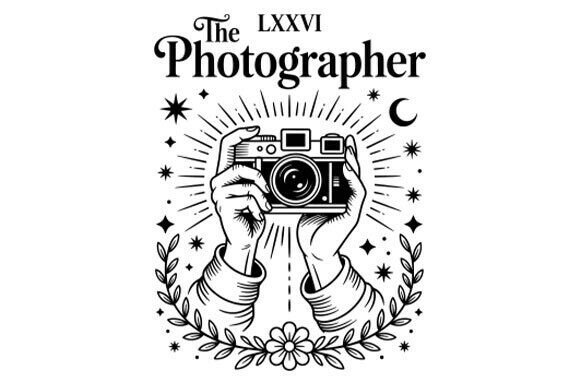
The title alone suggests a blend of technical precision and organic softness. The concept of a camera surrounded by flowers creates an instant narrative. It speaks to the hobbyist who loves capturing moments but also appreciates the beauty of nature. This isn't a stark, industrial logo; it has personality.
Visually, the design balances the rigid lines of a camera lens with the flowing curves of floral petals. For an embroidery project, this contrast is crucial. If the flowers are too detailed, they might get lost in the thread texture. If the camera is too blocky, it will look heavy next to delicate blooms. From what I can gather, this design aims for that sweet spot where the subject matter is clear without overwhelming the fabric. It feels right at home on a tote bag design for a photography workshop or as a subtle accent on a sweatshirt embroidery piece for a creative entrepreneur.
Real-World Application: Where This Design Shines
Let's talk about putting this into practice. Imagine you are preparing a custom embroidered tote bag for a local photography club event. You want something that says "I love my craft" without looking like a generic store-bought item. Photographer, Camera, Floral Camera, Pho fits this scenario perfectly. The floral theme adds a touch of warmth that makes the gift feel personal, while the camera icon immediately identifies the recipient's passion.
I also see this working exceptionally well for small shop product lines. If you are an Etsy seller creating niche merchandise, this design could be the hero graphic for a series of kitchen towels or aprons. A baker who is also a photographer? That is a specific customer base that would appreciate such a thoughtful combination. The design translates well to holiday embroidery projects too. Think of a Christmas gift for a creative aunt—perhaps embroidered on a pillow cover or a blanket throw. The floral elements soften the look, making it suitable for nursery decor or a baby item where a harsh camera outline might feel out of place.
For commercial embroidery, this design offers high value because it appeals to a broad demographic. It isn't limited to just photographers; it works for anyone who appreciates art, memory keeping, or nature. When you are designing finished products for a craft fair, having a graphic that bridges the gap between technical and artistic helps you reach more buyers. It elevates the perceived quality of your handmade product, signaling that you care about aesthetics and detail.
Practical Constraints: Where to Proceed with Caution
Even the best-looking digital embroidery file can fail if the application doesn't match the design's limitations. While Photographer, Camera, Floral Camera, Pho looks great in theory, there are specific scenarios where you need to be careful. If you plan to use this on a curved surface like a cap or a hat, pay close attention to the density of the fill stitches. Curved surfaces distort designs, and if the floral details are too intricate, they may blur together when stitched onto a rounded brim.
Textured fabrics are another area requiring caution. If you try to stitch this on a heavy denim or a coarse linen, the fine details of the flower petals might not register clearly. Similarly, thin fabrics can pucker under the tension of a dense satin stitch or fill stitch. In these cases, you must ensure you are using the proper stabilizer to support the fabric during stitching. Without the right backing, the camera outline might warp, ruining the symmetry of the entire composition.
Dark fabrics present their own challenges. If the design relies on light-colored threads for the floral highlights, they might disappear against a black background. Conversely, if the design is all dark, it will vanish on navy or charcoal. Always test thread color contrast before committing to a full production run. Additionally, avoid using this design for very small hoop sizes unless you are certain the details won't become indistinguishable blobs of thread. Tiny lettering or minute decorative accents often suffer in smaller dimensions, so keep the final product size proportional to the design complexity.
Designer Notes for Professional Results
To get the most out of this digital embroidery file, I recommend a few practical steps before you start your machine. First, always test the design on scrap fabric. This is non-negotiable. You need to see how the stitch density behaves and whether the thread colors pop as expected. Check the stitch density visually; if the areas are too crowded, the fabric might become stiff and unwearable. If they are too sparse, the design might look unfinished.
Inspect the small details closely. Zoom in on the file to see if any lines are too thin to be rendered by your specific needle. Review the stitch types—are there enough running stitches for those delicate stems, or is it all heavy satin stitch? A mix of stitches usually yields a more professional finish. Confirm the hoop size required for the design to ensure it fits your intended garment, whether that is a sweatshirt chest area or a baby onesie back yoke.
It is also wise to test the design in black and white mockups. Sometimes color distracts us from structural issues. If the design looks balanced in grayscale, it will likely hold up well in color. Compare how it looks on both light and dark fabric backgrounds to determine the best thread palette. Finally, check the licensing terms carefully. Just because you bought a digital product does not automatically grant you the right to sell the finished items commercially. Confirm whether this license allows you to create products for sale or if it is strictly for personal use.
Final Verdict
Photographer, Camera, Floral Camera, Pho is a strong candidate for designers looking to add a unique touch to their portfolio. It strikes a balance between a recognizable symbol and an artistic flourish. Whether you are creating a personalized gift for a friend or building a brand identity for a boutique, this design has the potential to elevate your work. By understanding its strengths and respecting its limitations regarding fabric and hoop size, you can turn this digital download into a stunning finished product that customers will love.
Remember, the success of any embroidery project lies in the preparation. Take the time to test, adjust, and refine. When you do, you will find that this design is not just a graphic, but a versatile tool for your creative business.